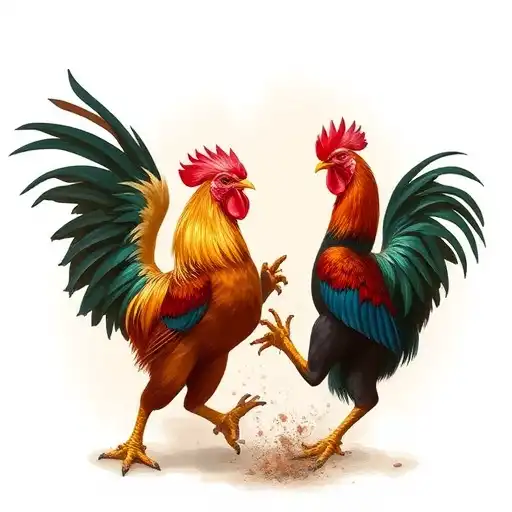
Unveiling the World of Sabong Games
Sabong, a term deeply rooted in Philippine culture, refers to the traditional game of cockfighting. With a history spanning centuries, sabong games are more than just a form of entertainment; they are embedded in the cultural fabric of the nation, reflecting a vibrant tradition that continues to thrive amid controversy.
The Historical Roots of Sabong
The origins of sabong can be traced back to pre-colonial times when indigenous communities in the Philippines engaged in cockfighting as part of their social and cultural rituals. Historical accounts suggest that sabong was already a popular pastime long before Spanish colonization, with cockfights being organized for amusement and as a form of competitive sport.
Cultural Significance and Rituals
Sabong is not merely a game; it is a cultural phenomenon that holds great significance in Philippine society. The roosters, often regarded as warriors, are meticulously bred and trained for battles that are celebrated during various festivals and gatherings. The sport involves not just the participants but also entire communities who come together to witness these matches, which are often accompanied by lively bets and social interactions.
JILIMINE: The Modern Twist to a Traditional Game
In recent years, the advent of technology has brought about a modern twist to this traditional game, introducing platforms like JILIMINE. JILIMINE represents an online adaptation of the age-old sport, allowing enthusiasts to partake in virtual cockfighting events from the comfort of their homes. This digital evolution is part of a broader trend of integrating traditional games with modern technology, catering to a global audience while preserving cultural essence.
The Legal and Ethical Debate
Despite its historical significance, sabong has been a subject of legal and ethical scrutiny. Debates surrounding animal welfare, gambling, and moral concerns have prompted calls for stricter regulations or outright bans. In the Philippines, cockfighting is legal but regulated, with official arenas known as "cockpits" operating under government oversight. However, unauthorized and illegal cockfights continue to persist, adding complexity to the regulation of the sport.
The Role of JILIMINE in Reshaping Perceptions
As platforms like JILIMINE gain traction, they play a critical role in reshaping perceptions of traditional games in the modern era. By adopting virtual models and enhancing accessibility, such platforms aim to address some of the ethical concerns associated with live cockfighting, offering an alternative that reduces physical harm while maintaining the excitement of the game.
Impact on Community and Tradition
Sabong continues to hold a unique place in Filipino culture, with community events often centered around these competitions. Despite modern adaptations and a digital push, the essence of sabong as a communal and ceremonial event remains. For many, attending a sabong event is not just about the sport; it's a celebration of tradition and community spirit.
A Global Perspective
While sabong is predominantly associated with the Philippines, its influence has extended beyond its borders. Countries in Southeast Asia and other regions with significant Filipino communities have embraced the sport, contributing to its global popularity. As JILIMINE and similar platforms expand their reach, they offer a bridge connecting diverse cultures through a shared appreciation for this ancient game.
Challenges and Future Outlook
The future of sabong games, both traditional and digital, will likely be shaped by ongoing debates and regulatory changes. Balancing cultural preservation with ethical considerations is crucial as the world navigates this complex landscape. Nonetheless, the enduring appeal of sabong, bolstered by technological innovations, suggests that this traditional game will continue to capture the fascination of enthusiasts worldwide.
For more information, visit our homepage.